How Electricity Travels from the Power Plant to Your Wall Outlet
Introduction
Every time you switch on a light, charge your phone, or turn on a fan, electricity begins a journey that started far away from your home. Most people use electricity every day without thinking about where it comes from or how it reaches their wall outlets. The process is actually a fascinating combination of engineering and infrastructure that works around the clock.
Electricity Generation at the Power Plant
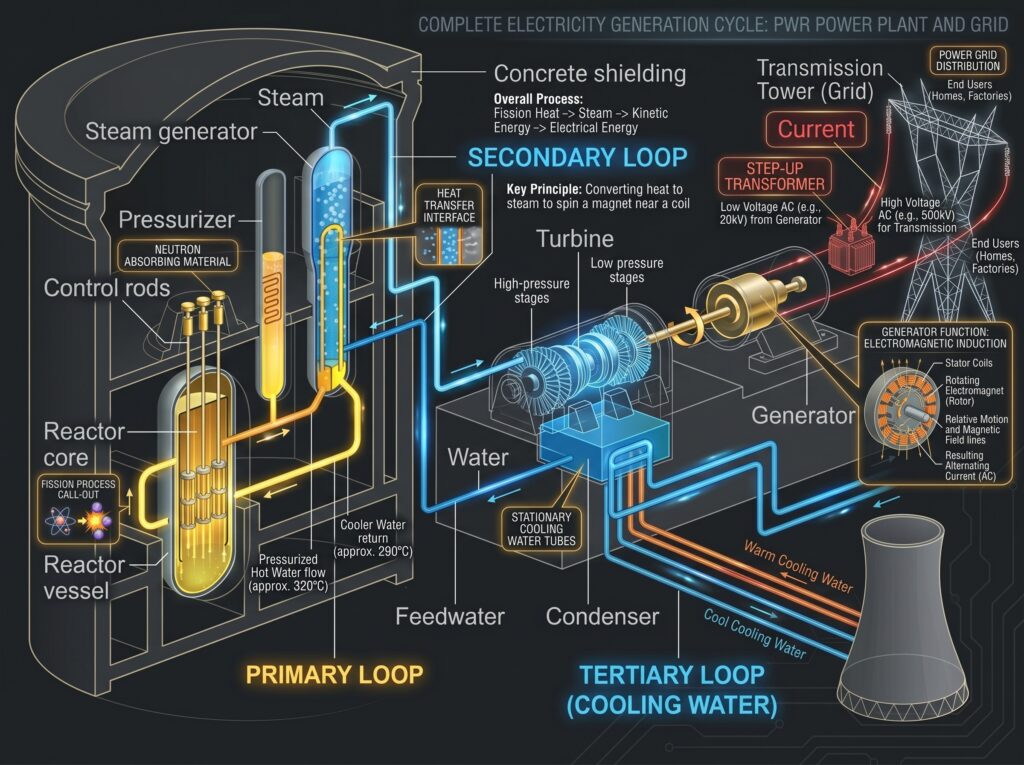
The journey begins at a power plant. Electricity can be generated using various energy sources such as natural gas, coal, hydropower, wind, solar energy, or nuclear power. Inside the power plant, large generators convert mechanical energy into electrical energy. Once generated, the electricity is ready to be sent across long distances.
Why Voltage Is Increased
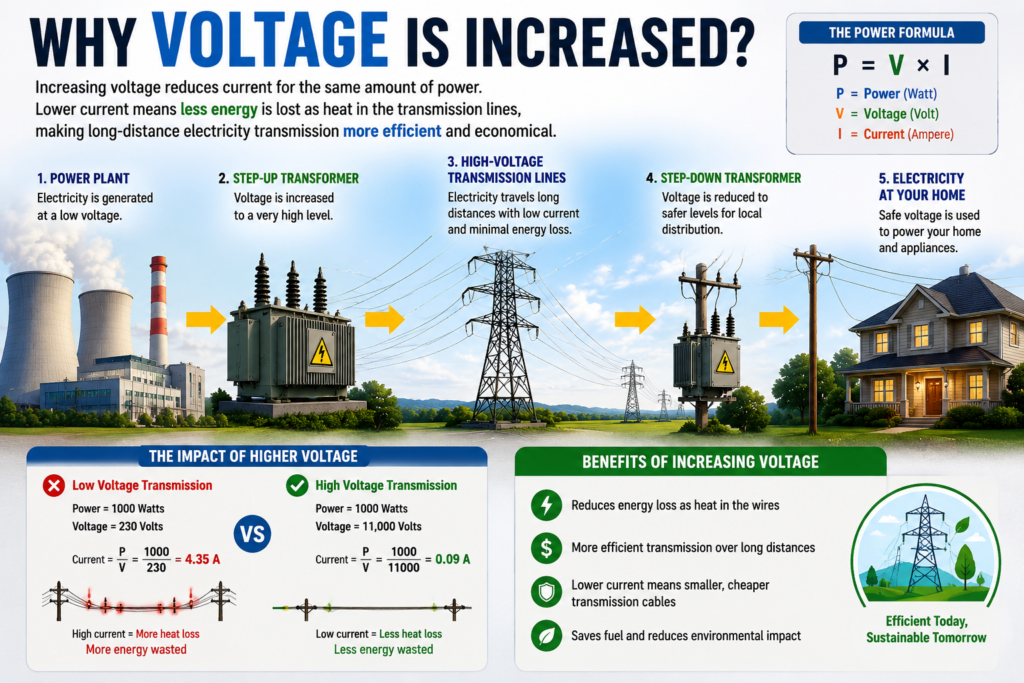
Transmitting electricity directly from the power plant would be inefficient because a significant amount of energy would be lost as heat. To solve this problem, the voltage is increased using a transformer. High-voltage electricity can travel much farther with fewer losses, making transmission more efficient.
Traveling Through Transmission Lines
After leaving the power plant, the electricity travels through high-voltage transmission lines. These are the large power lines often seen mounted on tall steel towers. Transmission lines carry electricity across cities, states, and even entire countries.
Substations: The Middle Step
When the electricity approaches towns and neighborhoods, it reaches a substation. A substation contains transformers that reduce the voltage from transmission levels to safer distribution levels. This lower-voltage electricity is then sent through distribution lines that run along streets and roads.
Distribution to Homes and Businesses
Before electricity can enter your home, it passes through another transformer, usually mounted on a utility pole or placed in a ground-level cabinet. This transformer reduces the voltage even further to the level used by household appliances and electronics.
Entering Your Home
From there, electricity enters your home through a service line and passes through the electric meter. The meter records how much electricity your household uses so the utility company can calculate your bill.
The Role of the Electrical Panel
Next, the electricity reaches your electrical panel, often called the breaker box. The panel distributes power to different circuits throughout the house. Each circuit is protected by a circuit breaker that automatically shuts off power if it detects an overload or short circuit.
Reaching the Wall Outlet
Finally, electricity travels through the wiring inside your walls and reaches the outlets, switches, and appliances in your home. The moment you plug in a device or turn on a switch, a complete circuit is created, allowing electricity to flow and power the equipment.
Conclusion
What seems like a simple flip of a switch is actually the final step in a remarkable journey that may have started hundreds of miles away. From power plants and transformers to transmission lines and household wiring, every part of the electrical grid works together to deliver safe and reliable electricity whenever you need it.